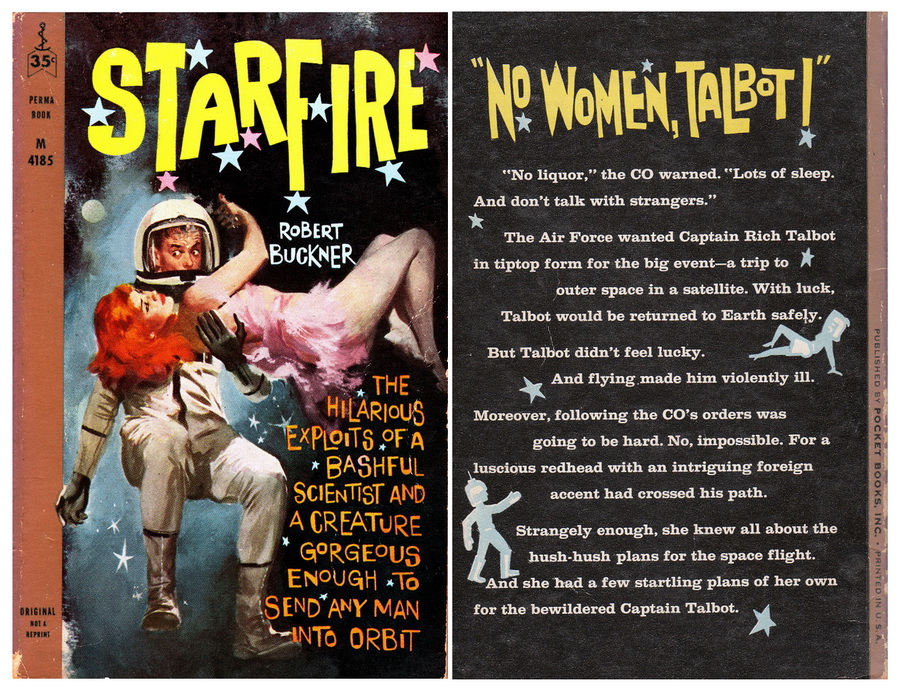
 Also serialized in the Saturday Evening Post as Moon Pilot and made into a movie of the same name by the Walt Disney Company.
Story by Robert Buckner (1960).
Artist uncredited, seems familiar but not enough to declare with any certainty.
 Also serialized in the Saturday Evening Post as Moon Pilot and made into a movie of the same name by the Walt Disney Company.
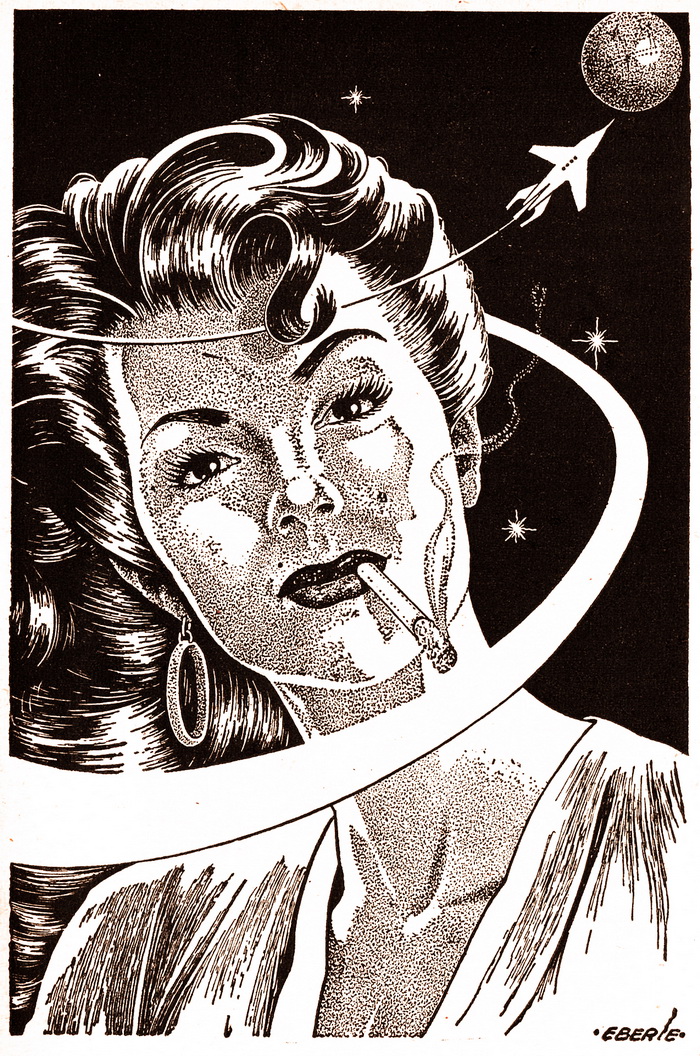 Illustration for Underestimation, from Rocket Stories (September 1954).
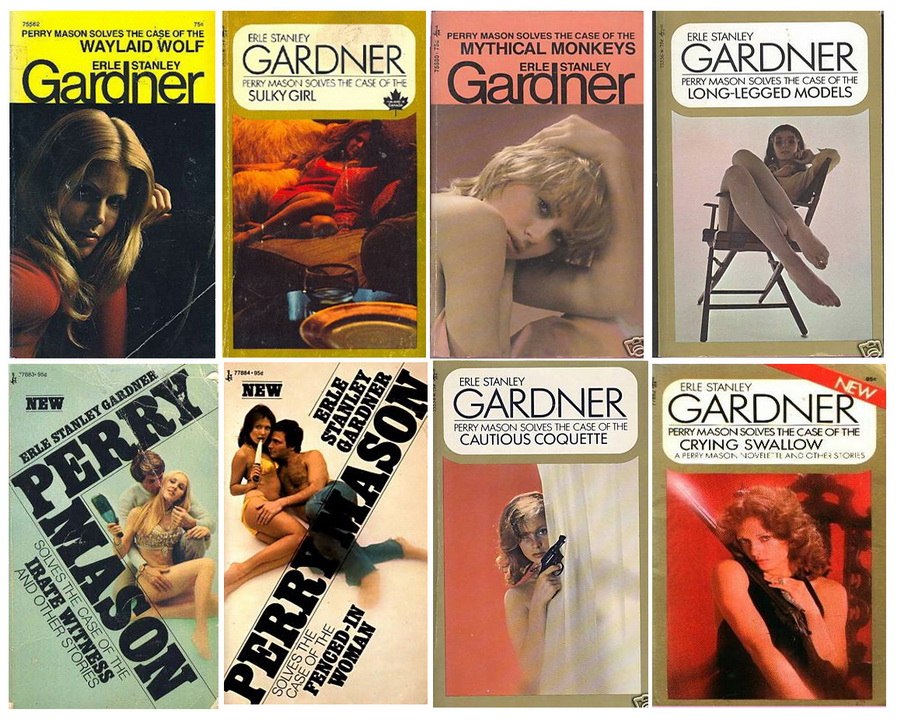 Thematically most of the photographs would not be out of place if transferred to the film box covers of 8mm skin flicks. They were unapologetic come-ons. While the sexy covers may have generated some sales I recall that my mother and grandmother, who were ESG and Perry Mason fans from way back and read mystery novels on a regular basis, would not touch these books when they debuted. The idea put forth by the covers of Perry Mason, a mental image undoubtedly influenced by years of exposure to Raymond Burr, boinking his clients during huge orgies must have been a turn-off for them. I know that it is for me.
 surprised to discover SF stories that I had read in old collections when reprinted had several paragraphs tossed in devoted to sex scenes. Undoubtedly in order to keep the interest of a reader and hook them for future sales.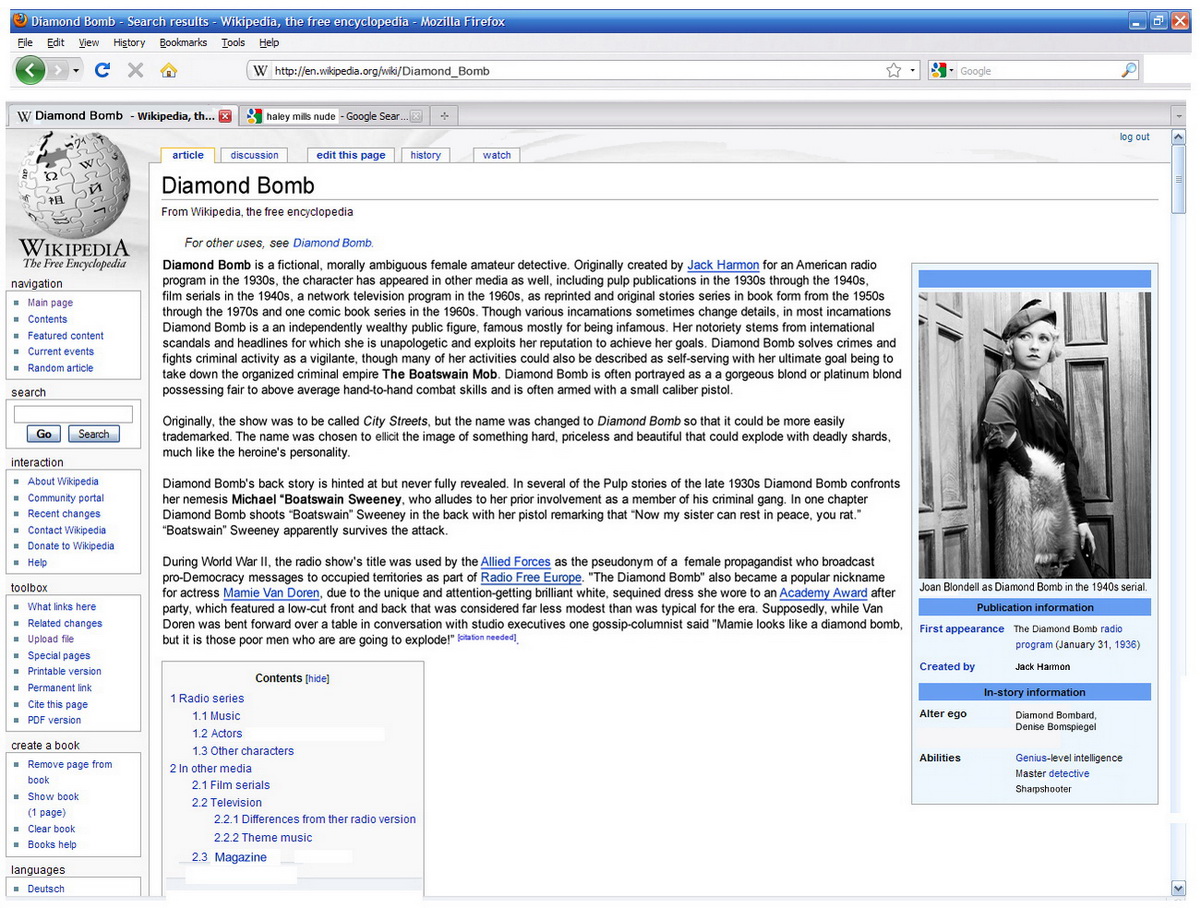


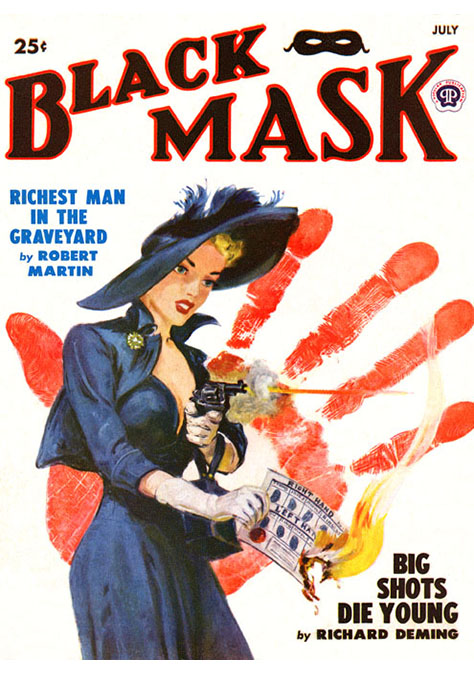
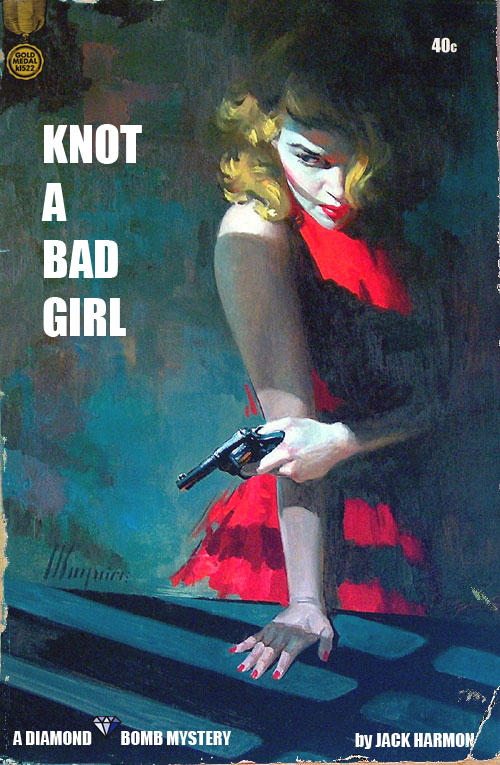 In the 50s and 60s and even well into the 70s old pulp series found new audiences as the relatively inexpensive and in some cases, public domain, stories of the 30s and 40s were repackaged as cheap paperback books. While considered to be disposable entertainment by both the industry and consumers many of these books featured the work of artists who were masters of their craft and examples of their work are much sought after by collectors. The nature of the industry and the readers of the time ensured that mint copies of the books are exceedingly rare and in many cases the original art is lost forever.
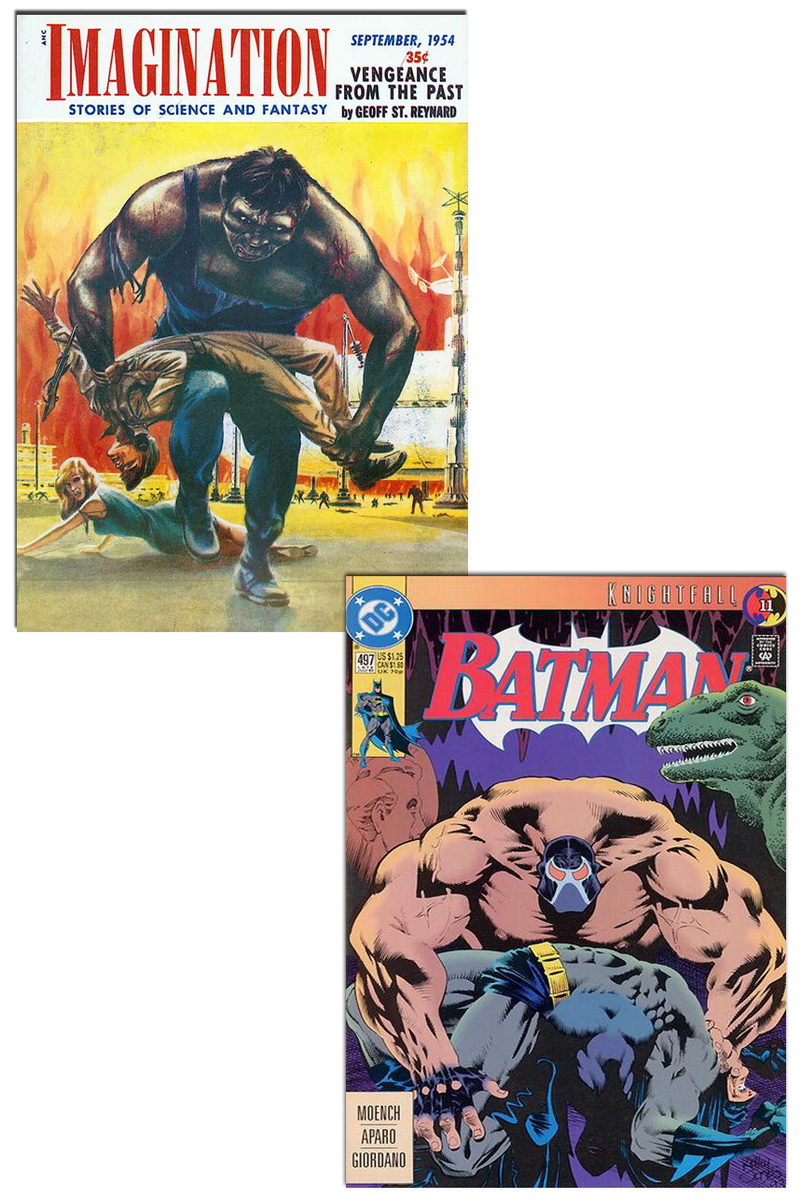 Imagination (September 1954) & Batman #497 (July 1993).
 Female lead characters were poorly represented in the Pulp Era of magazines. For the most part any magazines that featured women in the lead were usually written for titillation for male readers or the young adult female audience. Unless the book was aimed at the homemaker, no pulp titles with a woman carrying the series comes immediately to mind. So in a flash of inspiration that struck when I was browsing through some Pulp and Noir art I made one up.
 Adventure Comics #1 (October 2009)
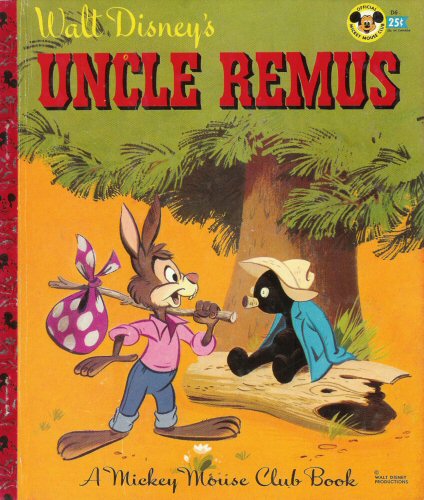 A long time ago someone at Disney had the great idea that old American folk tales done in an animated style would make a great movie. The result was the 1946 live action and animated film Song of the South. Unfortunately, Hollywood and America of the 1940s was hardly a positive example of racial sensitivity and the execution of the Uncle Remus tales the film was based upon was, in hindsight, terribly managed. The main and wholly accurate complaints with the film is the depiction of African slaves as being happy, content and grateful for their subjugation. Caricatures that were fashionable and acceptable in popular entertainment of the era are numerous. Because of the way people were depicted and in spite of any artistic merits the film may contain it has not been fully released for the home audience in the intervening decades and only appears in the United States in heavily edited versions.
 school, was a marshmallow creation covered with dark chocolate that resembles the sticky trap that Brer Rabbit ran afoul of in the Song of the South feature. In 1946 sheer ignorance and marketing inertia could explain the promotion of stereotyped caricatures of African-Americans though it would have been a little harder to justify in 1958. It could only have been utter stupidity when the decision was made to include the one-page recipe feature and reprint it in 1975 in Walt Disney's Showcase #28. By the 1970s everyone involved should have known better.
 Off hand I'd have to say the central design is supposed to represent the Jack-Sun shining Jack-Rays down on the world or maybe some sort of godhead beaming out waves of beneficent Jackness throughout the Universe. But what the design really looks like is an image borrowed from the Sex Ed course materials at Hamburger University.