Showing posts with label korea. Show all posts

Wednesday, May 22, 2013

WANTED


Wanted poster that was plastered up all over my neighborhood in Songtan City, Korea circa 1986. If memory serves this was about a stabbing or something pretty serious. My wife is uncomfortable translating it (hopefully she isn't described on this anywhere and she's not a fugitive) so I'm not sure what it is all about. Pretty unique souvenir of Korea for the collection though.

Wednesday, May 15, 2013

Kimchi, America's Favorite Side Dish

Kimchi is a spicy, fermented cabbage side dish that I became acquainted with during my time in Korea and has remained a part of my diet ever since. There are a quite a few varieties of Kimchi. The types of kimchi were created as a practical matter in the time before effective refrigeration and food storage and is based partly on the availability of seasonal vegetables and the weather. Kimchi is a popular and traditional side dish in Asia but for those outside of that region it can be an acquired taste.


Relax. You don't have to be a "foodie" to enjoy kimchi. It isn't some odd, esoteric concoction that you eat only because it is hip, unique or have to endure once or twice because everyone is talking about it. One of the worst things to happen to kimchi was it being "discovered" by yuppies in America during the late 1980s. The costs of the ingredients skyrocketed, quality suffered and making it from scratch became more of a luxury than a must have condiment in our refrigerator. A few years ago crop failures of the main ingredient caused a crisis that required the Korean Government to take action.

Glass jars are best for storage in refrigerator


Like many foods foreign to the American experience there are a lot of unsubstantiated, unscientific claims attributed to eating kimchi. These are mostly cultural in origin, perpetuated today as selling points and continuing traditions. Plenty of  the restaurants not owned by large chains commonly have signs posted declaring the unrealistic and miraculous health benefits of various dishes.

Disappointingly, this is endemic among much of the advertising for consumer products also. Online you can find even more information claiming all sorts of woo-woo magical powers attributed to all sorts of foods so don't get excited. Cabbage and red pepper are not parts of the formula for the ancient Asian mystic secret of good health, virility and long life. It does not "clean the blood", "revitalize the spirits", "strengthen the kidneys" or anything else beyond the basic nutritional value of the ingredients which are not insubstantial.

As example of the questionable common knowledge attributed to some foods: An ingredient used for more than a century as a flavoring in drinks touted as a natural health miracle with wondrous properties eventually was discovered to be a very  powerful natural carcinogen. The deleterious effects where ignored or unknown for years because of the power of superstition, folk remedies and the criminal carelessness of homeopathy. Only trust peer reviewed science, kids. 

The Wall of Kimchi at a local market. One of them.
There can be a lot of salt found in the recipe for kimchi. If you have special dietary needs make sure you never trust the hip, word-of-mouth promotion or self-serving public relations and hard sell of any food stuffs.

Do some research, read up and be informed. While I can't grant any special health properties to kimchi I've eaten it when congested. From anecdotal experience, the spiciness make me feel better, drains and opens up the sinuses. But so will chomping on a jalapeno,  gnawing on a lozenge or rubbing Mentholatum grease on my chest. Nothing magic there, just the body's normal and natural responses.

If you have wanted to try kimchi or Korean food then as a start I suggest visiting the Korean restaurants in your city. The All-You-Can-Eat BBQ is enjoying increasingly popularity but that may be over-whelming for the uninitiated. You can cook Korean meals yourself but if unfamiliar with the style rather than going through a trial and error stage find out what the authentic dish tastes like first.

As a way of easing into a world of foreign cuisine try the lunch menus during the day at Korean restaurants. They are simpler, priced reasonably and you won't have to deal with the crowds, wait time and hassle of the evening dinner rush and cooking the meal yourself at the table, though that can be a fun experience.

Most places serve a large spread of side dishes with even the smallest lunch menu item so don't be surprised by the amounts you receive. If you don't like wasting food get a to-go tray when done (if the establishment supports that, some don't because of people that take a yard when given an inch).

One of those side dishes will usually contain at least one variety of kimchi. Keep in mind that a lot of these dishes are not created from frozen, processed food that is microwaved and slapped on a plate following some corporate franchise photo-template of what a perfect and homogenized dish will look like. Quality of supplies change daily as expected with fresh items so don't be discouraged if something isn't up to your expectations or doesn't look like you think it should from your experiences in the freezer aisle of the local market. Asian meals have a lot of vegetables in them but eating an authentically prepared dish will very much remind you that meat is made from animals. Expect bone, gristle where you are not used to it.

Babimbap and side dishes
If you want kimchi regularly at home there are a lot of good cook books available and even recipes for it online. You can eat it as is out of the jar or use it in cooking. Heck, make up your own ideas. Browse a market that carries a variety and decide what size and type of kimchi you want. Many Asian and American markets sell kimchi but it is a Korean specialty so try Korean markets first. I prefer the cabbage that is pre-cut in the jar because it is more convenient to use and less messy. I also enjoy the large radish kimchi. The type you get is based on what you are going to use it for. FYI, when cooked kimchi often gets spicier, via reduction.

Most modern American grocery stores keep a brand or two of small jars of kimchi in the cold aisle, usually by the tofu. These brands are okay but not what I prefer. I personally find the most typical brand found in a regular grocery store to be pale, watery, lacking in heat and tasting strongly of salt and vinegar. A trip to a Korean or Asian market is your best bet for quality kimchi. Just compare the rich colors of the kimchi made for a knowledgeable and particular customer base and the kind you find in a American chain grocery. You can easily see the difference. Unlike many food products in this instance the color is an indicator of manufacture and quality. I also appreciate kimchi in a glass jar over plastic for storage purposes.

Kimchi prep at home:
You've bought a jar of kimchi, now what do you do? Like most people you are probably just going to put in the refrigerator to keep it cold. Sure, you want to do that, eventually. But first you might want to prepare your kimchi by letting it ferment a while before putting it away. Don't worry, it's easy to do though this will be a process that should take overnight. You can eat the kimchi right away after you buy it but letting the contents ferment a bit will improve even the taste of the grocery store brands. I recommend tasting some for a before and after comparison.

Leaving food out overnight is something you have to decide for yourself if you want to do. My wife is a native Korean and we have both prepped kimchi this way for nearly 25 years without ill effects. Some of the ingredients are stored for months without turning. This is how she learned to prepare it growing up in Korea. She is from a generation that still makes almost everything from scratch. Again, up to you.
  1. Before retiring for the day place your kimchi jar in a plastic bag and place it in a sink. If your sink is the type that stains then you will want to ensure any liquids (a brine which will be red in color) go directly into the drain.  
  2. Loosen lid. Loosely tie up bag. Kimchi is very aromatic so be prepared for that to permeate the area.
  3. Leave in sink overnight.
  4. In the morning you may notice bubbles in the jar and swelling of the contents. Some juice will probably have overflowed. This is from the contents fermenting. Tip a bit of the juice out.
  5. Tighten lid firmly.
  6. Rinse exterior of jar thoroughly and dry off.  
  7. Put in refrigerator (I suggest on a paper towel or plate to catch any future drips).
If you sampled the kimchi yesterday when you got home do it again today. You should definitely notice a difference in taste and texture. Kimchi has a very strong presence but keeping the lid tight and exterior of the jar clean should prevent any odors being absorbed by the other contents of the refrigerator.

If you don't want the kimchi to ferment in the manner I described then make sure you drain some of the liquid from the jar before you put it away. Even kept cold right from the store the contents will ferment a bit over time and the fluid may leak out into the refrigerator


The uses for kimchi in cooking is varied. Other than the many Asian recipes it is traditionally used for I put it on almost anything. Burgers, grilled cheese, hot dogs, burritos, pizza (after I remove the pie from the oven, some like it baked into the pizza) and anything I can think of to spice up the meal. There is a place in San Diego that makes a butt-kicking bulgogi with kimchi burrito and some serious kimchi fries.

Read more about Korea's side dish online here: Kimchi at Wikipedia.


Wednesday, March 20, 2013

Knot Problemo


I need to quit sitting at the same table when I eat here. That knot in the wood repeatedly catches my eye and I keep thinking I dropped some food. Moving to the other side of the booth won't work either. I won't see it but I'll know it is there.

Wednesday, November 21, 2012

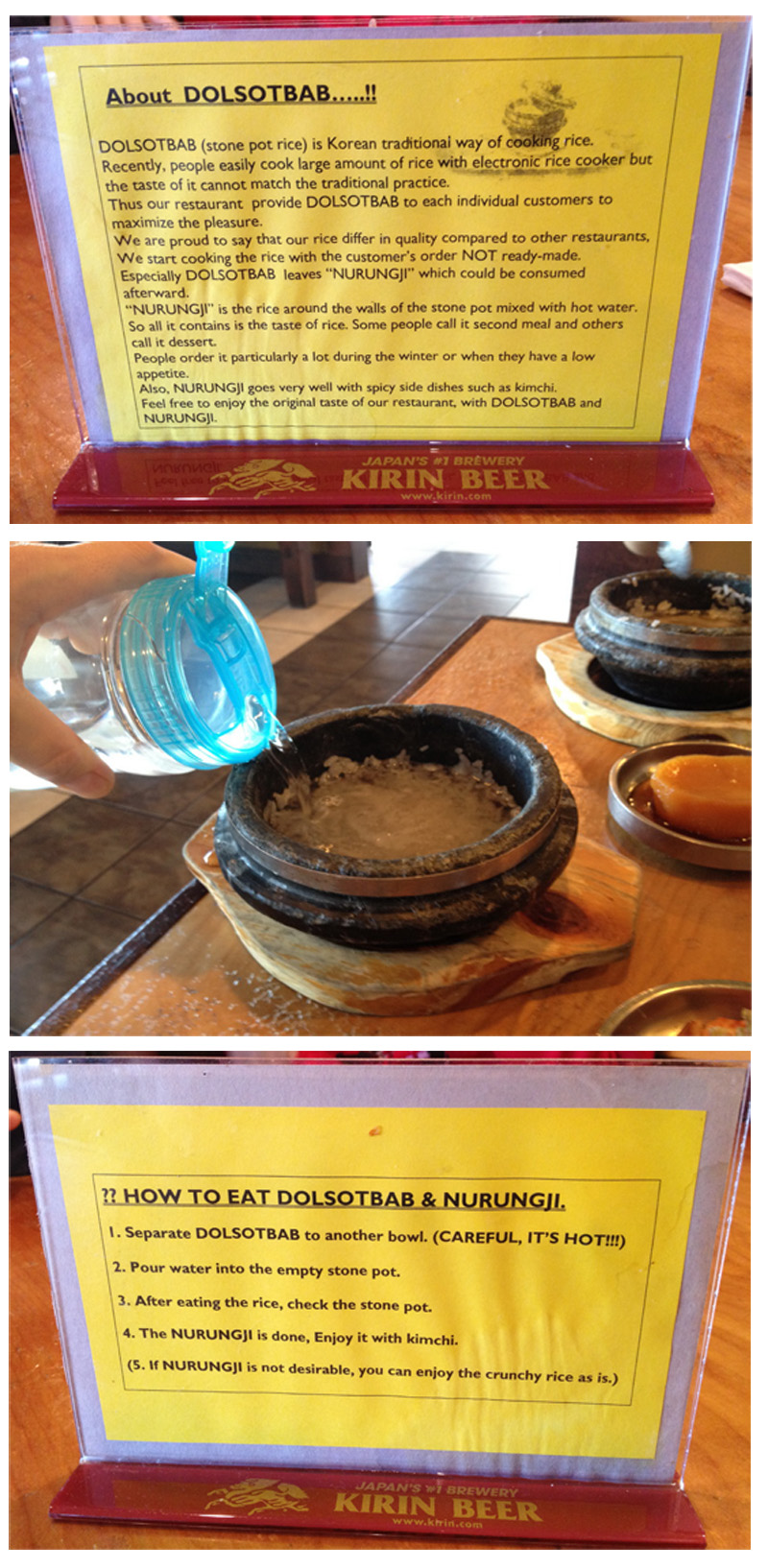
Dolsotbab and Nurunji

Dolsotbab is a traditional Korean way of cooking rice in a very hot stone pot. The heat of the stone rapidly cooks a single serving of  rice. Nurunji is a way to prepare and eat the sometimes burnt but definitely over-cooked rice that remains adhered to the sides of the pot.

Foodies might be all into this for the experience but for me it reveals a bit of social engineering.

Preparation of rice in non-stick pots or steam cookers is a fairly modern addition to the kitchen. Regular pots are still a bit messy, prone to overheat and so are only a slight advance over the old stone bowls heated on a fire. Making another dish to add to the meal out of the scorched remains of the rice is frugal and common sense solution to scarce resources.

Just because the rice may be browned or burnt is no reason to waste it. The preparation of Nurinji requires one to add water to the stone pot, which boils up, softening the burnt rice. The diner then has to put in some work to scrape the scorched rice off the sides and bottom, giving them not only a hot soup but a extra few ounces of rice. Basically the diner does a lot of the pre-soak and cleaning of the bowl which anyone who regularly cleans burnt food off of a pan knows is a bit of a chore. Diners probably get an added bit of minerals in the diet from scraped stone though in the modern era the downside is ingesting aluminum from the flatware flaked off while scraping.

While in the past Nurunji would be created and eaten out of necessity out of being mindful of not being wasteful in an environment where stored food spoiled quickly or attracted pests it has since become a luxury process as a side dish to the modern Korean dining experience.


Monday, September 19, 2011

I'm Your Seoul Map

A diagram of the Seoul, Korea subway transportation line for all you subway map lovers out there.
Thursday, December 24, 2009

Hot Kimchi


While it doesn't have the mystical healing powers that some attribute to it, kimchi is pretty good when you feel poorly. The spiciness of kimchi rather any magical properties is what clears up the chest and sinuses and the effectiveness of it is increased when it is served boiling hot.

Among the traditional condiments served tomorrow at the Christmas family meal will also be some fresh kimchi.

Everything Kimchi on Lady, That's My Skull!

Wow! That's a lot of kimchi!

Love That Kimchi!

Images of Kimchi
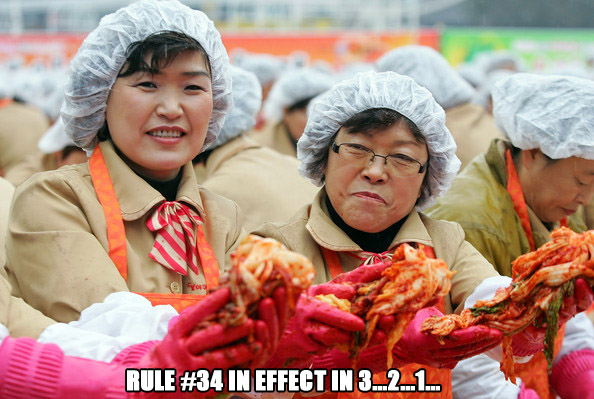
I don't know if Rule #34 applies to kimchi, but I wouldn't be surprised. Click carefully.


Sunday, February 22, 2009

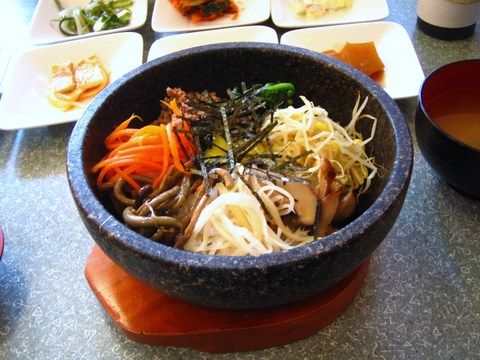
Bibimbap is the shizznit

Being married to a Korean woman of traditional ways I eat a lot of Korean cuisine. Since I can't really exercise anymore because of the lower back, the high-veggie ingredients of my Korean-style meals are what I credit for my waistline going from a 46 to a 42. By the time the next San Diego Comic-Con rolls around I should look less like a stereotypical fanboy and instead more like a superhero. I don't mean Herbie, either.

I particularly enjoy Bibimbap. It is awesome. At most restaurants it comes in a huge bowl with a couple of pounds of condiments (including Kimchi) on the side. Like many of the items on the menu it has a high veggie to meat ratio. Vegetarianism is dull and boring. I couldn't face life if I had to eat carrots for every meal. A few days of that and I'd kill a cow with my bare hands and eat it raw. What would you rather eat, a plate of steamed veggies or a big, hot stone bowl of Bibimbap? You can be totally Vegan and not want to kill yourself out of boredom three times a day just by eating Korean food. It is true.

On Convoy street in San Diego are a few nice Korean restaurants that serve good meals. The favorite of the wife and I is one with the name of her home town in the title. The lunch specials are great and are a popular destination for the people who work in the area. We go there about once a week. The price is small and the portions are large.

One aspect of the place I dislike in principle is the information about the dishes in the framed printouts that line the walls. While the photos and descriptions serve to educate those guests not familiar with Korean cuisine they are also filled with paragraphs touting the health benefits of the food. But none of the descriptions contain much in the way of facts and instead make woo-woo claims similar to those found in books, articles and websites about homeopathy. It should be enough to state the benefits of real food over chemically-saturated and processed junk. Instead nigh-magical properties are attributed to the ingredients that 'clean the blood', 'improve the spirit' and ' such blah blah blah. The mystical, magical and junk-science claims are not necessary, but I am very aware they appeal to a certain type of person.

Not that one culture is particularly apt to take advantage of their own over another, but I am often angered by what I see as an incredibly predatory attitude among members of their own community. Magic cures, quack medical procedures and junk science abounds. Like an evangelical preacher will use religion to make a buck, these grifters exploit the cultural traditions regarding age, respect and ingrained social politeness as pry bars to open the wallets and purses of their marks.

One of the items a market near the Convoy area sells are six inch strips of neoprene cut from wetsuit material. This rubber is nothing short of magic and supposedly cures an amazing list of deadly ailments. By the way, the rubber is cut into trapezoid shapes, ensuring that every other piece leaves a smaller triangle-shaped scrap that is sold for around $300. Nothing is wasted, there. The product purportedly works through ions and magnets and other made up blather. My assertion would be any material that does what it claims doesn't need a large piece to work as the application of even the smallest piece should be equally effective.

That store and nearly every other in the area is full of quack items like that and is one of the reasons I don't let my wife shop alone when she is in the area. Many people of her background have shown themselves susceptible to the high-pressure tactics by salesmen who seek to take advantage of cultural predilections. Some of the salesmen, and I witnessed a lot of this tactic in Maryland, would find a family and prey upon them like a telemarketer with a sucker list. They used cultural and familial pressures to make a sale for some ridiculous device, juice or magic pill. Once a sale is made the word gets out and the vultures descend in a mighty flock.

In Maryland I was often asked by members of my family and the community who had questions about a product to check out the claims. I printed out evidence from the FDA, warnings about scams from the BBB and other sources, pointed out the miracle health pills being pushed on them for $175 a bottle was in fact powdered baby formula. I even once held a presentation for a group revealing that the test for "bad" tap water a salesman was performing in selling $2500 water filters was a scam the government has been warning people about for over 40 years. I often wondered why I bothered to help because in nearly every instance the salesman was able to babble some nonsense and I would be dismissed. On one occasion I'm aware of the product representative asked why anyone would believe a "Westerner" over a fellow countryman.

Just before I left Maryland a member of a small local church asked me to look into the claims of a company pushing miracle Amazonian berry juice. Someone was aggressively contacting the entire congregation. Product aside, it turned out to be an up-sell scam using high-pressure in-house visits to sell a customer a case of very expensive juice on a recurring bank withdrawal or debit card. On the basis of the sales tactic alone I advised against it. Many people signed up anyways and bought nearly $1000 worth of Acacia juice any organic market sells for far cheaper. The funny part was when one of the customers discovered the added protein ingredient in the juice was from shellfish, shrimp casings to be precise. The consumption of shellfish was against one of the tenets of their religion. Massive soul-cleanings then resulted along with the usual problems associated with canceling an account with a company that doesn't have public email address and won't return telephone calls.

Sadly, against all evidence and common sense most of the time people would shell out the cash. Not because they were stupid but because the grifter was working several fronts at once and had already ingratiated themselves to an elder member of the family. If anyone failed to accept the dubious claims of the salesman, they usually withered under the generational influence of an elder who berated them into purchasing the magical, magnetic, ion-saturated vitamins or device. The alarming fact is that for most people, even when the product or service turns out to be useless, they just go on and accept a different incredible pitch.

I have little reason to doubt that many similar scams are being worked here, also. I have never really witnessed a hard sell like I did in Maryland, but considering the claims some of these products make I'm surprised someone hasn't shut them down for fraud or questionable sales tactics. Salesmen in certain stores communicating with my wife step quickly away when they notice me approaching. I doubt I'm scaring them as I usually appear neutral if not jovial. It must be due to awareness that the husband, especially one of another culture, is a greater influence on the wife than they will be in the short time allotted. Unfortunately the desire or need to purchase products and items that can otherwise only be found in Korea leads us into certain stores like the one that sells the magical healing rubber.

But woo-woo claims aside, Bibimbap is the shizznit.